Alliance Data: A Serif Font with Pixelated Charm
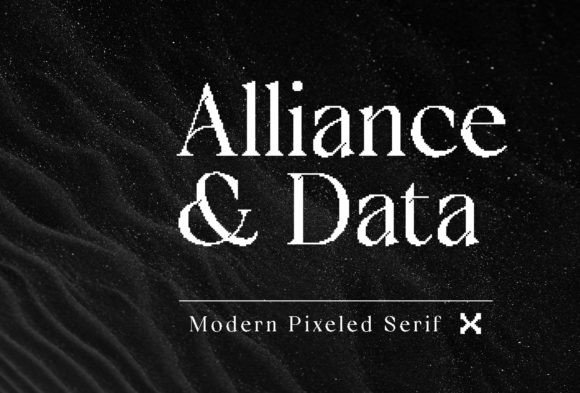
When redesigning a lifestyle blog, the choice of font often feels like selecting the right color for a room—subtle, yet essential to the overall mood. After experimenting with several options, I discovered Alliance Data, a serif font that blends modern design with pixelated charm. It felt like finding a hidden gem in a sea of standard typefaces.
What makes Alliance Data unique is its ability to bridge two seemingly opposing styles. The clean lines and structured forms of a traditional serif are softened by subtle pixel-like details, creating a visual rhythm that feels both nostalgic and contemporary. This duality gives it a versatile personality that can adapt to various editorial needs without losing its identity.
Using Alliance Data for a blog header was a revelation. Its balanced proportions and slightly irregular stroke endings added a sense of warmth and approachability. It didn’t feel too rigid or too playful, making it perfect for a site that aims to be both professional and inviting.
In a recipe ebook, Alliance Data served as an excellent title font. Its clarity and readability made it ideal for headings, while the pixelated elements gave the design a whimsical edge that matched the content’s tone. Pairing it with a simple sans serif for body text created a clear visual hierarchy, ensuring that readers could easily navigate through the pages.
For a wedding guide, Alliance Data worked well as a cover font. Its elegant structure lent itself to a sophisticated look, while the subtle pixel details added a touch of creativity. It was the perfect balance between formality and fun, reflecting the event's dual nature.
As a display font, Alliance Data shines in pull quotes, chapter openers, and section headings. Its character set includes alternate glyphs and ligatures that add visual interest without overwhelming the reader. These features make it a great choice for editorial layouts where typography plays a key role in storytelling.
When used in newsletters, Alliance Data brought a sense of consistency and style to the design. It worked well for headers and subheaders, offering a refreshing alternative to more common serif fonts. The font’s multilingual support also made it a practical choice for publications targeting diverse audiences.
Readability was a concern when considering Alliance Data for longer reading passages. However, its well-proportioned letterforms and generous x-height made it surprisingly comfortable for body text, especially when paired with a complementary font. For instance, combining it with a clean, readable serif for body copy and a sans serif for captions helped maintain clarity across different formats.
For print materials, Alliance Data performed admirably. Its crisp edges and consistent weight distribution ensured that it looked sharp on paper, whether in a printable planner or a coaching workbook. The font’s commercial licensing made it easy to integrate into templates and digital downloads without legal complications.
In social media graphics, Alliance Data added a unique flair. It was perfect for creating eye-catching headlines or decorative accents that stood out without being distracting. Its pixelated elements gave it a retro vibe that resonated with audiences looking for creative and nostalgic designs.
When designing a digital magazine layout, Alliance Data proved to be a reliable choice. It maintained its visual appeal across different screen sizes and resolutions, making it suitable for both web and mobile formats. Its versatility allowed it to be used in multiple sections of the publication, from cover art to article titles.
For a course PDF, Alliance Data provided a polished and professional look. It worked well for headings and subheadings, helping to organize the content effectively. The font’s availability in multiple weights and styles made it easy to create a cohesive design that supported the learning experience.
Overall, Alliance Data is a font that offers both aesthetic and functional value. Whether used for a blog header, ebook title, or newsletter graphic, it brings a unique character that enhances the reading experience. Its blend of modernity and pixel art charm makes it a standout choice for designers seeking to elevate their editorial projects.
Before incorporating Alliance Data into any project, it’s worth exploring its full range of styles, alternates, and ligatures. Checking the font’s file formats and licensing terms ensures that it meets the specific needs of the publication, whether it’s for print, digital, or commercial use.
With its thoughtful design and versatile application, Alliance Data is more than just a font—it’s a tool for creating engaging and visually appealing content. Its ability to adapt to different editorial contexts makes it a valuable addition to any designer’s toolkit.